Formula 1’s American Dream Hits a Wall: Why Media Giants Are Balking at Liberty Media’s Price Tag
Liberty Media wants up to $180 million a year for F1’s next US broadcast deal — but even Netflix, ESPN, and Amazon are hesitating. What gives?
Behind the glitz of champagne showers and podium smiles, Formula 1 is facing a harder race, this time off the track.
Liberty Media, F1’s American owners since 2017, are reportedly seeking between $150 million and $180 million a year for their next US broadcast deal. That would represent a huge jump from the $85 million ESPN currently pays. It’s a bold move that reflects the sport’s soaring cultural relevance in the US, but media giants aren’t exactly falling over themselves to grab the rights.
And that says a lot about the state of sports media and maybe a little about how F1 views itself.
Since the launch of Netflix’s ‘Drive to Survive,’ F1 has pulled off what few global sports have managed: it cracked America. Average race viewership has more than doubled since 2018, with over a million US viewers tuning in live on ESPN. The Miami and Las Vegas Grands Prix were tailor-made for US audiences, and the upcoming Apple-produced F1 film starring Brad Pitt is set to inject even more cultural fuel into the tank.
F1 in America is no longer niche. It’s high fashion. Red carpets. Champagne. It’s Zendaya in the paddock and Travis Scott by the pit wall. So why are Netflix, Amazon, Warner Bros. Discovery, NBC, and even ESPN hesitating?
“It’s a cool sport, no doubt,” said Patrick Crakes, a former Fox Sports exec turned media consultant. “But cool doesn’t pay the bills.”
Crakes’ comment cuts through the glamour and gets to the heart of the problem. While F1 is culturally hot, it remains commercially tricky. Early-morning races don’t do wonders for live ratings in the US, and the sport’s current fanbase is already heavily subscribed to platforms like Netflix, limiting the potential for new subscriber growth.
Follow me for more sports and life updates: Instagram
From a business point of view, Netflix acquiring F1 rights would be more about retention than growth, a much harder investment to justify in boardroom spreadsheets.
What’s playing out here is bigger than F1. Across the board, streaming platforms are growing more cautious. After years of overspending to acquire content and subscribers, 2025 is the year many are shifting from “grow at all costs” to “make it pay.” With cord-cutting accelerating, traditional broadcasters like ESPN are also having to make tough calls, including letting go of long-time deals like the one with Major League Baseball.
Disney’s ESPN recently walked away from an exclusive negotiation window with F1. That doesn’t mean they’re out of the race, but it shows how careful even legacy players are being.
And when you’ve just dropped $2.6 billion a year on the NBA, as Disney did, an extra $100 million for F1 starts to feel like a luxury purchase — not a necessity.
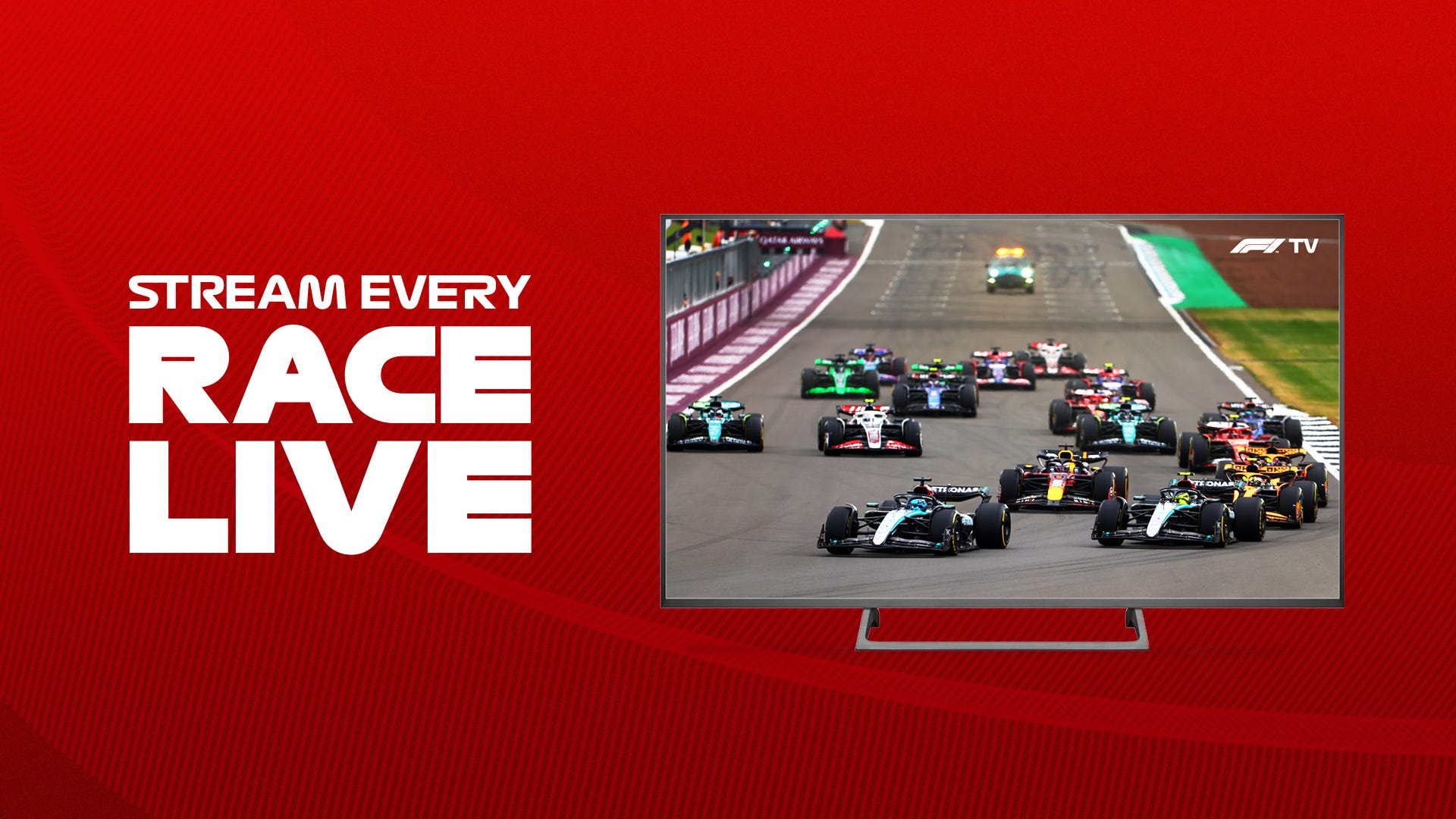
According to Ampere Analysis, F1’s US rights are objectively worth more than $100 million per year. But that’s still a far cry from the upper end of Liberty’s ask. The full rights package also includes F1 TV, the sport’s own streaming service, which could be bundled into the deal as a sweetener.
That might interest tech giants like Amazon, who already run similar hybrid models in sports. But even then, the appetite for full-season rights isn’t what it once was. In today’s world, broadcasters don’t just want content, they want content that guarantees growth or brand synergy. F1 delivers glamour and youth engagement, but can it deliver ROI?
This isn’t just about numbers, it’s about context.
The NFL and NBA own Sundays and primetime. Even the English Premier League, airing at brutal early hours, gets consistent numbers, thanks to decades of ingrained fandom and NBC’s relentless promotion. F1, in contrast, is still building its roots in the US.
Yes, it’s loud. Yes, it’s got momentum. But it’s also delicate. Most fans still came in through a Netflix docuseries, not childhood traditions or hometown allegiances. That kind of fandom can be exciting, but it’s also fragile.
And while it might be tempting to say, “Just invest more in marketing,” any broadcaster spending $150 million-plus wants more than vibes. They want certainty.
New Liberty CEO Derek Chang says the company is seeking “the best mix of exposure to new fans and the highest-paying deal.” It’s a smart line, and an honest one. But it also hints at internal tension: does F1 chase big dollars or ensure mass visibility to keep momentum going?
The sport’s owners deserve credit. In a few short years, they turned F1 into a pop culture staple in the US. But the current media market isn’t playing by the same rules as it did five years ago. That $180 million figure might reflect where Liberty thinks the sport is. But the broadcasters’ reluctance reflects where the industry actually is.
Formula 1 is undeniably in a golden era when it comes to cultural cachet, but that doesn’t always translate to media money. The sport still has work to do to become appointment viewing in the US. If Liberty Media wants to cash in at top-tier pricing, it may need to accept that “cool” and “commercially valuable” aren’t always the same thing, at least, not yet.
Still, F1’s story in America is far from over. Whether it’s Netflix, ESPN, or a dark-horse bidder like Amazon, someone will eventually take the wheel. But if Liberty is serious about securing a record-breaking deal, they might have to downshift expectations first.
Thank you for reading, David Skilling.
Follow me on LinkedIn | X | Instagram
If you hit the like button, you’ll be doing me a huge favour, and if your business needs sports writing, feel free to get in contact.
If you know someone who will enjoy this article, please share it with them.

